In an era where stress and anxiety are increasingly prevalent, the search for effective, holistic remedies has never been more urgent. With 43% of adults reporting feeling more anxious than the previous year, it’s clear that the intricate connection between our emotional state and our physical well-being deserves closer attention. Many of us intuitively know that a stressful week can lead to a tension headache, or that lingering grief can feel like a weight on our chest. But what if there was a way to pinpoint and release these connections?
Enter the Neuro Emotional Technique (NET), a revolutionary mind-body approach designed to identify and resolve the physical impact of emotional stress. Developed by Dr. Scott Walker, a Chiropractic Physician, NET is a powerful form of Complementary and Alternative Medicine that works to restore balance to the body by addressing the neurological imprint of unresolved emotions. It’s not talk therapy; it’s a unique methodology that helps the body let go of ingrained stress patterns that can manifest as pain, anxiety, and chronic health issues, ultimately paving the way for improved physical health and mental clarity.
What Exactly Is Neuro Emotional Technique and How Does It Work?
At its core, the neuro-emotional technique is a bio-behavioral methodology for neutralizing unresolved physical and behavioral patterns. It operates on the principle that an emotional reality can become linked to a physical reality, creating what is known as a Neuro Emotional Complex (NEC). An NEC is essentially a stuck memory loop—a conditioned response where past emotional triggers continue to provoke a physiological stress reaction in the present, even when no real threat exists.
The primary tool used to identify these complexes is manual muscle testing (MMT), a non-invasive process with roots in applied kinesiology. This technique acts as a form of natural biofeedback. Here’s how it typically works:
- A practitioner has the patient think about a specific stressor or issue.
- Gentle pressure is applied to the patient’s outstretched arm.
- If the thought is incongruent with the body’s physiology—meaning it creates an internal stress response—the muscle will often test as weak. This indicates the presence of an NEC or an emotional block.
This isn’t about muscle strength in the traditional sense; rather, it’s a way to observe the body’s instantaneous physiological response to a thought or memory. By identifying the specific NEC, the practitioner can then help the patient’s body release the associated stress pattern.
The Neurological & Scientific Fundamentals of Neuro Emotional Technique
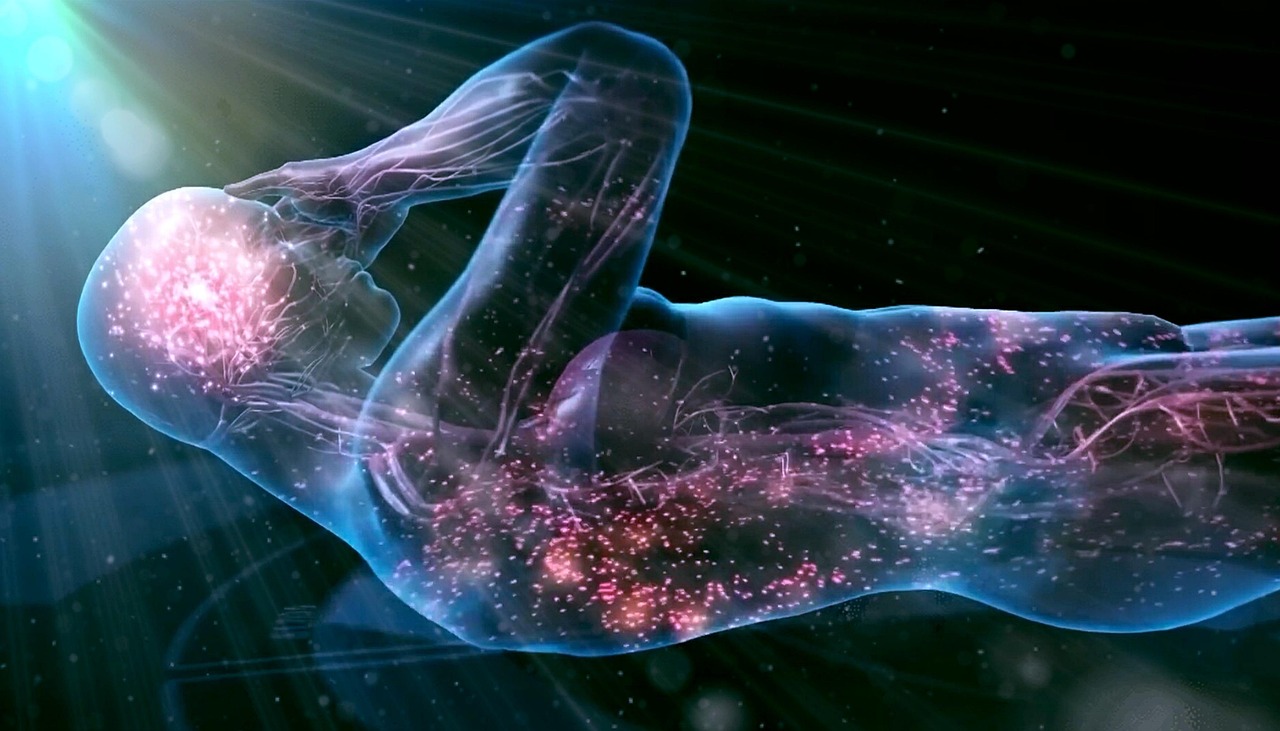
To understand how NET works, we must first appreciate the profound link between our minds and bodies. Groundbreaking research by neuroscientists like Candace Pert and Joseph LeDoux revealed that emotions are not just abstract feelings; they are complex biochemical and neurological events. Our emotional responses are largely governed by primitive parts of the brain, particularly the limbic system.
The Triune Brain model, proposed by Dr. Paul MacLean, helps illustrate this. It divides the brain into three parts: the reptilian (instinctual), the old mammalian/limbic (emotional), and the neocortex (rational). Emotional information often travels through rapid, sub-cortical pathways, reaching the thalamus and amygdala (the brain’s fear center) before it even gets to our “thinking” brain. This is why we can have a powerful, physical reaction to something before we’ve had a chance to consciously process it.
When we experience traumatic stress, the memory can become “stuck” in this primitive emotional circuitry. Research into brain physiology is beginning to validate this concept. A landmark fMRI study conducted at the Marcus Institute of Integrative Health at Jefferson Health observed brain activity in cancer patients with traumatic stress symptoms. After just a few brief NET sessions, their brain activity in response to stress cues began to normalize, mirroring that of a healthy control group. This suggests that NET may help the brain “re-file” traumatic memories in a way that no longer triggers a physiological threat response.
How Does N.E.T. Address Stress and Trauma in the Body?
Unresolved stress and trauma don’t just stay in the brain; they create a cascade of harmful physiological changes. The constant activation of the “fight-or-flight” response can dysregulate the immune system and promote chronic inflammation—a key driver of many modern diseases. Research has shown that prolonged stress elevates inflammatory markers in the blood, such as c-reactive protein and tumor necrosis factor-α, through a process called cytokine signaling.
These ingrained stress response patterns manifest as tangible physical symptoms. You might experience chronic body aches, unexplained fatigue, digestive issues, or persistent chronic low back pain. This tension can also create palpable trigger points in muscles that correspond to stored emotional energy.
N.E.T. addresses this at a fundamental level by interrupting these learned patterns. When a practitioner identifies an emotional block linked to a traumatic memory, the technique aims to neutralize the body’s conditioned reaction. By applying a gentle correction while the patient holds the memory in mind, NET helps the nervous system process and release the stuck emotional charge. This emotional release therapy helps calm the overactive stress response, allowing the body to exit its state of high alert and return to a state of balance and healing.
What Can You Expect During and After N.E.T. Treatment?
A typical N.E.T. session is a collaborative, gentle, and often enlightening process. You will remain fully clothed while a certified practitioner, like those at Linea Chiropractic under the guidance of experts such as Patricia Lotufo or practitioners like Dr. Jeff Ulery, guides you through the process. The core of the session involves manual muscle testing as you hold different thoughts or memories in your mind. This is not about painfully reliving trauma; it’s more like detective work to find the specific pattern that needs to be addressed.
Once an NEC is identified, the correction itself is usually brief and painless. The practitioner may use chiropractic methods for a light spinal correction, apply pressure to specific acupuncture points, or use a technique called pulse correction. During this process, you might experience an emotional release, such as a sigh or a feeling of lightness, but it’s often a subtle yet profound shift.
After a session, the most common report is a feeling of calm and clarity. Many people find that situations that used to trigger them no longer have the same emotional charge. Over a series of treatments within a broader treatment program, you may experience a significant reduction in your symptoms, both physical and emotional. Indeed, a study found that patients receiving Neuro Emotional Technique reported significantly less distress and improved emotional states after just four to five brief sessions.
How Does N.E.T. Compare to Other Complementary and Alternative Medicine Approaches?

N.E.T. occupies a unique space within the field of Complementary Medicine. It’s distinctly integrative, bridging the gap between different types of practitioners and philosophies.
- Versus Talk Therapy: While therapies like Cognitive Behavioral Therapy (CBT) are invaluable “top-down” approaches that work with the conscious mind to change thought patterns, N.E.T. offers a complementary “bottom-up” approach. It uses the physical body as the entry point to identify and correct the physiological aberration linked to an emotional memory, making it a powerful psychosocial intervention.
- Versus Chiropractic Care: Standard chiropractic care primarily focuses on structural alignment and correcting a vertebral subluxation to improve nervous system function. N.E.T. incorporates these principles but adds the emotional dimension, using gentle spinal manipulation not just for structural integrity but also to help reset the neurological stress response.
- Versus Traditional Chinese Medicine: N.E.T. integrates the wisdom of Traditional Chinese Medicine (TCM) by utilizing the meridian system and the Five Element Law, which links specific emotions to organ systems and energy pathways. The correction phase often involves stimulating meridian access points or an acupressure point to facilitate emotional release.
By blending these modalities, N.E.T. embodies the biopsychosocial model of health, acknowledging that our biology, psychology, and social environment are all interconnected. It provides a tangible method for both Body-Oriented Practitioners and Mind-Oriented Practitioners to address the complex interplay between our emotional and physical states.
Who Can Benefit from Neuro Emotional Technique?
A wide range of individuals can benefit from N.E.T., particularly those who feel “stuck” or have experienced limited success with conventional treatments for their chronic problems. It is well-suited for people who recognize a link between their stress levels and their physical symptoms but don’t know how to break the cycle.
This includes individuals with:
- Chronic Pain: Headaches, neck pain, Cervical Kyphosis, fibromyalgia, and chronic low back pain.
- Emotional Distress: Anxiety, phobias, grief, and the lingering effects of posttraumatic stress disorder (PTSD).
- Behavioral Challenges: It is being explored as a complementary approach for behavioral impairments and conditions where an emotional component is suspected, such as Attention Deficit Hyperactivity Disorder (ADHD) and even Tourette syndrome. A randomised controlled trial published in Pediatr Neuro by researchers including Stubberfield T, Wray J, and Parry T, aimed to assess whether NET could improve clinical outcomes for children with ADHD, using tools like the Conners’ Parent Rating Scales. This is especially relevant given that new referrals for anxiety in children have more than doubled since the pandemic began.
- Performance Issues: Overcoming self-sabotaging behaviors and limiting beliefs to enhance personal and professional success.
Is NET Right for Your Journey Toward Emotional Freedom?
If you have tried various approaches to personal growth but still find yourself stuck in familiar patterns, NET might offer the missing piece. This technique is particularly effective for people ready to address not just their conscious thoughts but also the deeper emotional patterns that have been running their lives from behind the scenes.
NET is especially valuable if you’ve noticed that your intellectual understanding of your patterns hasn’t translated into lasting change, or if you suspect that past experiences are still affecting your present life in ways you can’t quite pinpoint. The technique provides a direct path to the subconscious, allowing you to resolve the root cause of your challenges rather than just managing the symptoms. By addressing the intricate connection between mind, body, and emotion, NET offers a powerful pathway toward greater health, resilience, and mental well-being.
Conclusion
The Neuro Emotional Technique offers a profound and sophisticated approach to healing by honoring the body’s innate intelligence. It moves beyond treating symptoms to address the underlying physiological imprint of our life experiences. By integrating principles from neuroscience, chiropractic care, and Traditional Chinese Medicine, NET provides a comprehensive framework for releasing the stress patterns that contribute to both physical and emotional suffering.
Whether you are dealing with chronic pain, persistent anxiety, or a feeling of being stuck, NET offers a gentle yet powerful tool to help you reset your nervous system and reclaim your vitality. It is a testament to the fact that true, lasting wellness involves addressing the whole person—mind, body, and spirit. By resolving the emotional burdens of the past, we can unlock our potential for a healthier and more fulfilling future.